


#419 Vitamin B12 Deficiency: Monthly shots or daily pills?
CLINICAL QUESTION
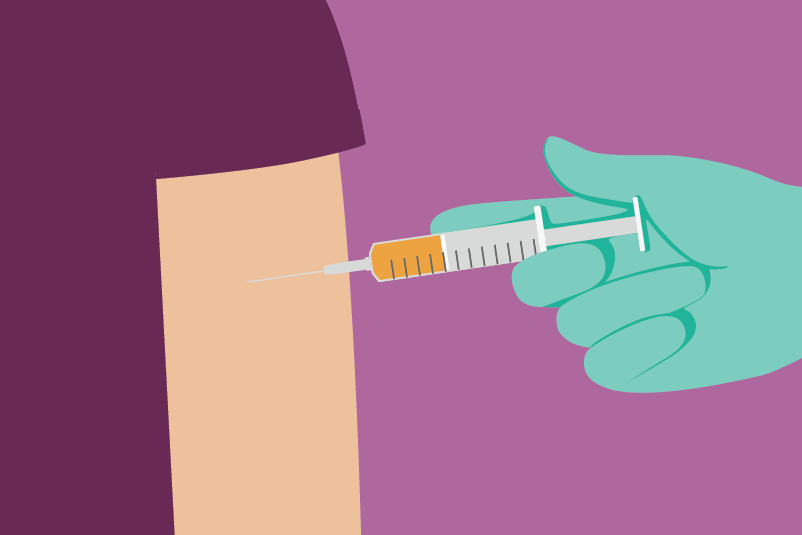
In patients with vitamin B12 deficiency, is oral vitamin B12 as effective as intramuscular (IM) vitamin B12?
BOTTOM LINE
Oral vitamin B12 is as effective as IM for most patients with deficiency. Daily oral intake required: 1mg dose is the most studied.

Reading Tools for Practice Article can earn you MainPro+ Credits
Join NowAlready a CFPCLearn Member? Log in
EVIDENCE
- Systematic review1 of three randomized controlled trials (RCTs), including 153 patients from USA,2 Turkey,3 India4 with vitamin B12 deficiency. Causes: Various reasons2,4 or poor dietary intake.3
- Vitamin B12: Usually 1-2mg oral daily versus 1mg IM (frequency varied by trial; eventually weekly or monthly).
- Overall, at 3-4 months:
- Proportion with normal vitamin B12 level: No difference.
- Mean final hemoglobin: No difference.3
- Subset with neurological symptoms: All improved similarly.
- Limitations: Open-label,2-4 inappropriate statistical analysis in non-inferiority trials (may bias result towards no difference),2-5 abstract publication.4
- Non-inferiority RCT: 283 primary care patients from Spain with vitamin B12 deficiency (mean age: ~75).6 Vitamin B12: 1mg oral (daily for 2 months, then weekly for 10 months) or IM (tapering intervals, eventually monthly). At 1 year:
- Proportion with vitamin B12 normalization: 92% (oral) versus 98% (IM). Statistical analysis suggests that oral formulation may be inferior but suboptimal oral dosing may be a contributor.
- Adherence, quality of life, patient satisfaction: Similar.
- 50 gastric bypass patients randomized to prophylactic vitamin B12: 1mg oral daily or 1mg IM every 2 months. At 6 months, all maintained normal vitamin B12 levels.7
- Switching from IM to oral (cohort studies): All 79 primary care patients from Canada and UK who switched to 1mg oral maintained normal vitamin B12 levels.8,9
CONTEXT
- Canadian B12 deficiency prevalence: ~5%; long term care: ≤14%.10-12
- Manifestations of B12 deficiency may include macrocytosis with or without anemia, neurological symptoms.12,13
- Risk factors: Diets low in animal products, malabsorptive states (gastrointestinal surgery or diseases), metformin or PPI use.12,13
- Vitamin B12 deficiency cutoffs vary. Canadian guidelines recommend treating <150pmol/L and consider treating <220pmol/L.13
- Most patients receive IM vitamin B12,14 with potential cost savings if changed to oral 1 mg daily.
- Example: changing all Albertans ≥65 years with deficiency would save ~$2 million annually.15
Latest Tools for Practice

#421 Happiness is a Dry Bed: Desmopressin for pediatric nocturnal enuresis
Does desmopressin reduce bedwetting for children with nocturnal enuresis?
#420 Scratching the Surface: What is the most effective treatment for scabies?
For adults and children with classic scabies, how effective are treatment options and what is the duration of treatment?
#419 Vitamin B12 Deficiency: Monthly shots or daily pills?
In patients with vitamin B12 deficiency, is oral vitamin B12 as effective as intramuscular (IM) vitamin B12?









Great to know the evidence……1mg oral it is
Depends on the underlying cause. If I am dealing with a condition leading to malabsorption, I would still prefer IM, especially if it’s not just for prophylaxis.
I ensure my patients over 45 are all on B12 1 mg daily. Checked annually.
Excellent